Minimalism continues to shape interior design by prioritizing simplicity, functionality, and open space. A clean aesthetic allows architectural features and furniture to breathe, reducing visual noise and promoting a sense of calm. Walls serve as the primary canvas for this approach, setting the mood for the entire home. Choosing the right wall covering establishes a strong foundation of order. Rather than leaving walls bare, selecting specific textures and designs can add warmth and character while adhering to minimalist principles. The key lies in balance—finding wall coverings that complement the room's elements rather than competing with them.
Embracing Contemporary Simplicity
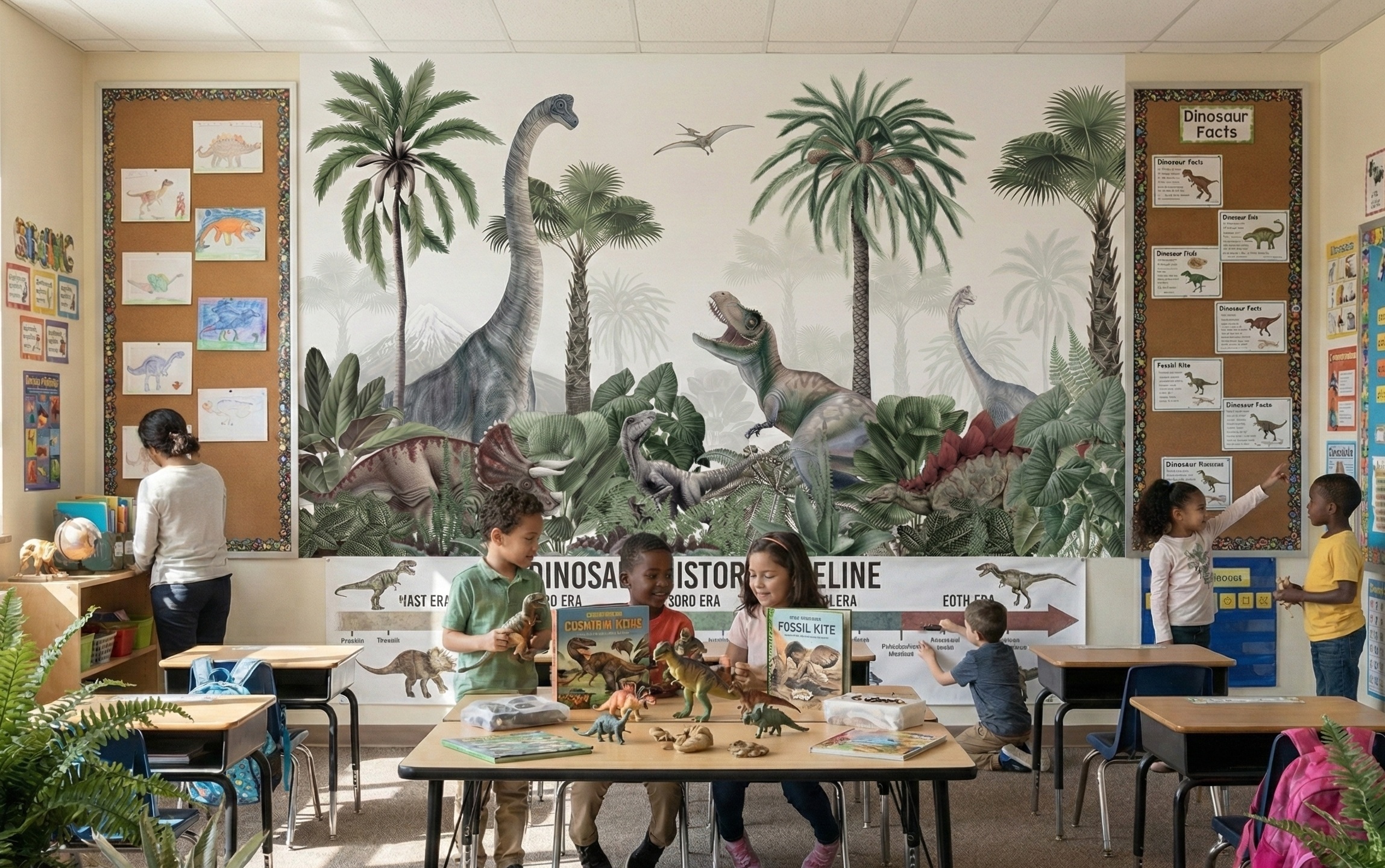
Contemporary interiors often rely on subtle textures and monochromatic palettes to maintain visual interest without overwhelming the senses. The goal involves selecting decor that integrates seamlessly with the architecture. modern wallpaper designs offer sleek lines and understated elegance, making them ideal for living rooms or home offices where focus is essential. These styles frequently utilize geometric shapes, abstract forms, or solid colors to create a sense of structure. By using neutral tones like greys, beiges, or soft whites, these wallpapers reflect light and make spaces appear larger. This approach ensures that the walls support the overall design vision, acting as a sophisticated backdrop for curated furniture pieces and art.
The Role of Repetition
While minimalism often implies a lack of decoration, structured repetition can actually enhance the sense of order in a room. Carefully chosen motifs add depth while maintaining a clutter-free vibe. Introducing patterned wallpaper with delicate, small-scale prints provides a refined background that does not demand immediate attention. This approach works particularly well in bedrooms or entryways, where a touch of character is welcome but serenity remains the priority. The key is to select patterns with low contrast, such as tone-on-tone designs, which offer visual texture without the chaos of bold colors. This subtle complexity invites closer inspection but reads as a solid texture from a distance.
Bringing the Outdoors In
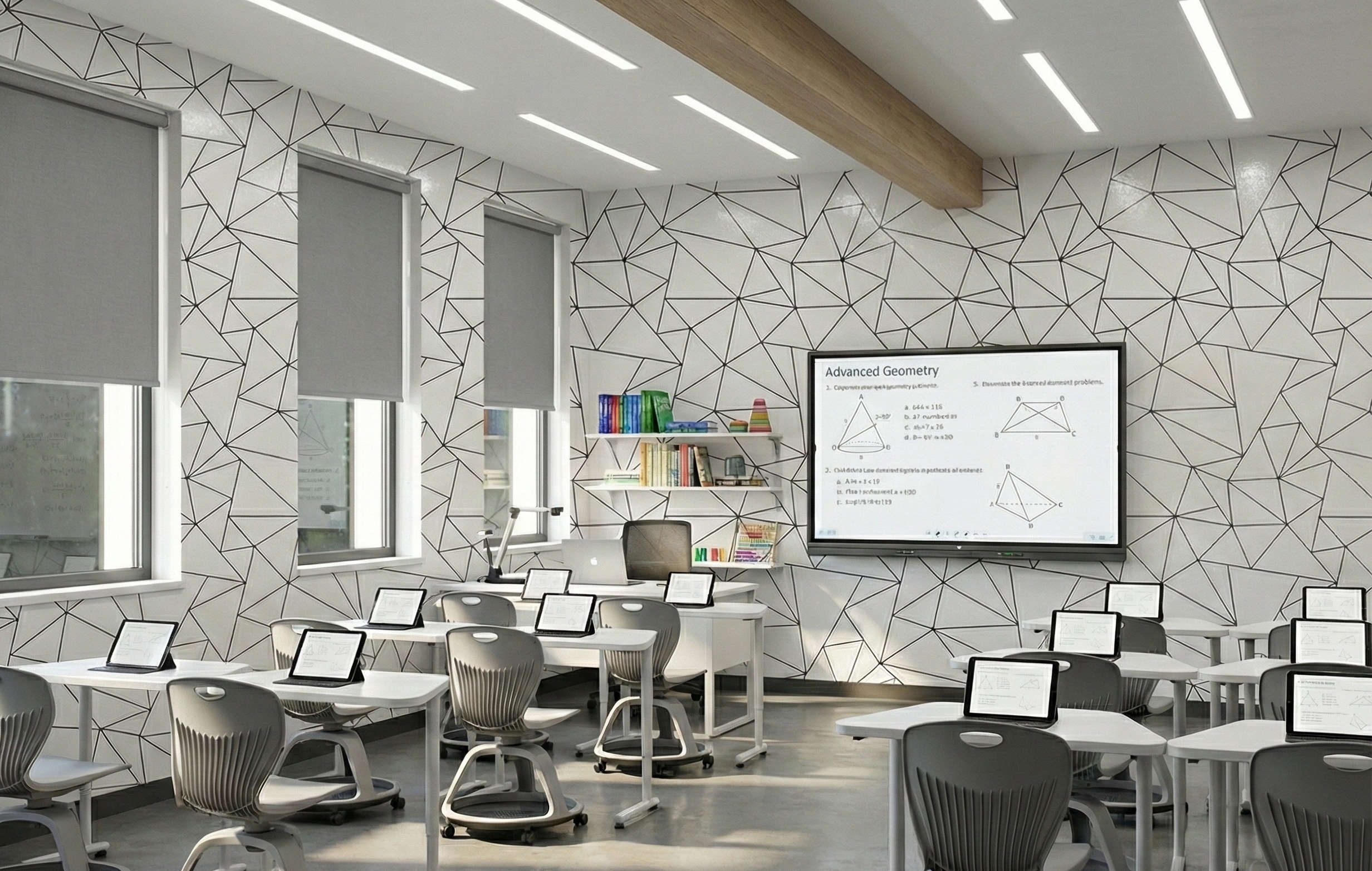
Nature offers some of the most calming imagery available, which aligns perfectly with minimalist design philosophies. Biophilic design, which seeks to connect occupants with the natural environment, uses greenery and landscapes to evoke peace. Installing forest background wallpaper brings a quiet, organic element to the home. The visual depth of trees, misty woodlands, or dense foliage can make a small room feel more expansive. These murals often utilize soothing greens and earth tones, which ground the space and provide a refreshing counterpoint to modern materials like glass and steel.

Exotic yet Understated
Tropical themes often bring to mind bright colors and busy prints, but they can also be interpreted through a minimalist lens. By focusing on foliage and muted tones, these designs bring warmth without visual clutter. tropical murals featuring large leaves, palms, or soft, hazy jungle scenes create a focal point that feels curated and intentional. This style suits bathrooms or dining areas where a unique atmosphere is desired. Monochromatic tropical designs, such as sepia or black-and-white botanical prints, allow homeowners to introduce organic shapes without breaking a strict color palette.

Timeless Elegance
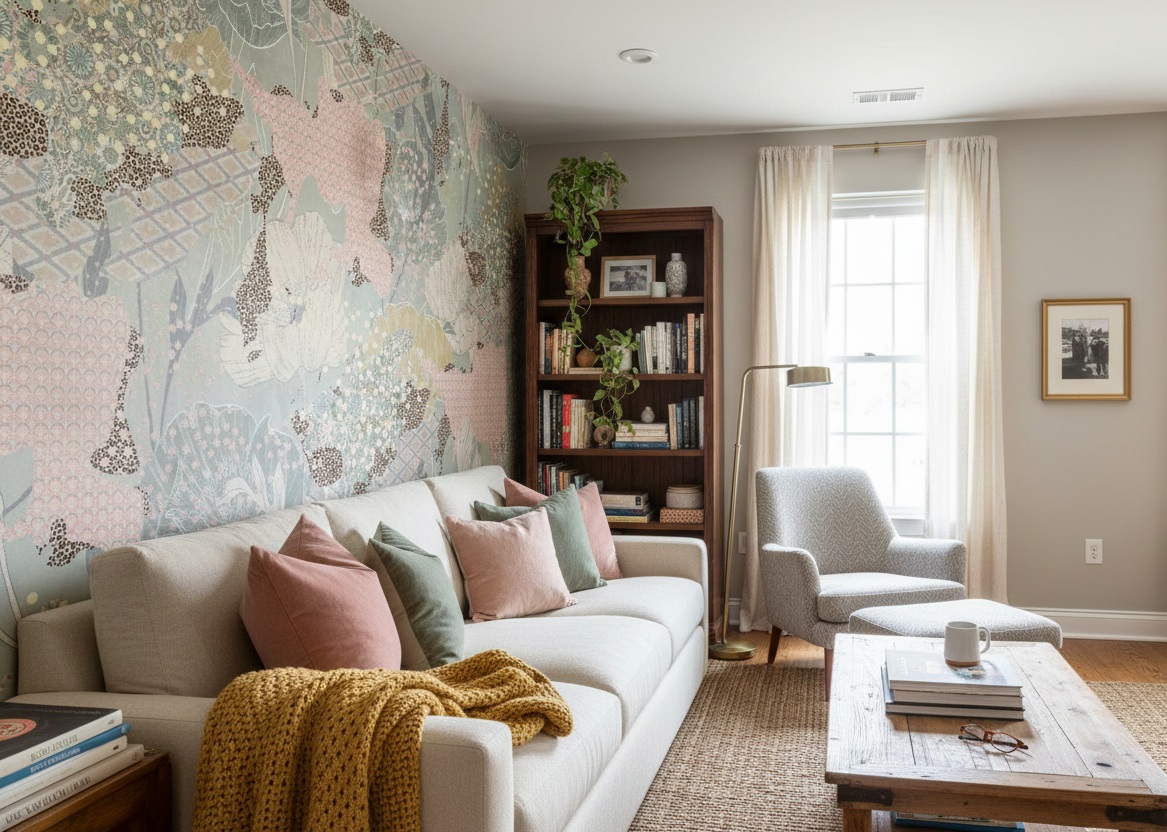
History provides endless inspiration for modern homes. Classic designs, when stripped of excessive ornamentation or reimagined in contemporary colors, fit seamlessly into clean spaces. vintage wall paper often features botanical illustrations, toiles, or faded damasks that suggest a story. Using these in a minimalist setting adds a layer of nostalgia and warmth, preventing the space from feeling stark or clinical. A single accent wall featuring a vintage print can soften the sharp edges of modern furniture, creating a balanced and inviting environment that honors the past while embracing the present.
Geometric Sophistication
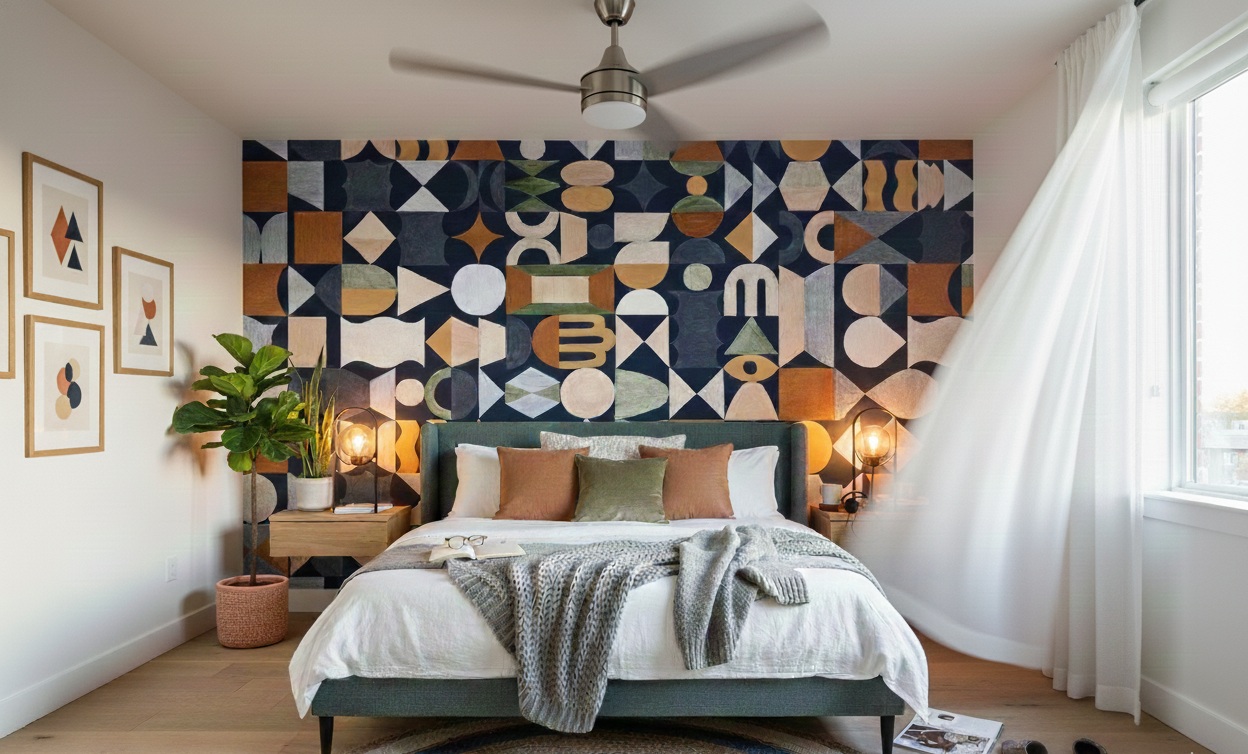
The early 20th century introduced bold geometric forms that remain relevant in today's design landscape. These designs emphasize symmetry, repetition, and streamlined luxury. art deco wallpaper incorporates metallic accents, fan shapes, and sharp angles that elevate the look of a room. When used sparingly, such as in a powder room or on a feature wall, these patterns inject a dose of glamour while adhering to the principles of clean lines. The contrast between metallic lines and matte backgrounds creates a dynamic interplay of light, adding a rich texture that replaces the need for excessive physical decor.
Conclusion
Creating a minimalist home does not require living with empty white walls. It involves making intentional choices about texture, color, and pattern to build a cohesive environment. Whether drawing inspiration from nature, history, or modern geometry, the right wallpaper anchors the design and enhances the overall atmosphere. A well-chosen backdrop supports the furniture and lighting, resulting in a peaceful home that feels both spacious and complete.